
Popular
-
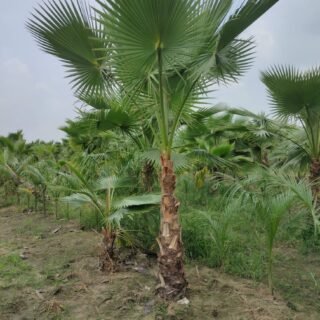 Washingtonia Palm
Original price was: ₹999.00.₹499.00Current price is: ₹499.00.
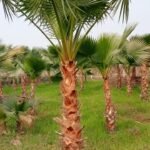
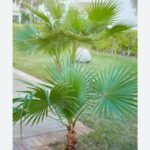
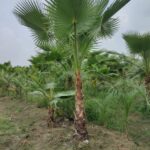
Washingtonia Palm
Original price was: ₹999.00.₹499.00Current price is: ₹499.00.
-
 Orange plant (Citrus sinensis)
Original price was: ₹399.00.₹249.00Current price is: ₹249.00.
Orange plant (Citrus sinensis)
Original price was: ₹399.00.₹249.00Current price is: ₹249.00.
-
Amla plant (Phyllanthus emblica)
Original price was: ₹399.00.₹249.00Current price is: ₹249.00.
-
Anaar plant (Punica granatum)
Original price was: ₹449.00.₹249.00Current price is: ₹249.00.
-
Apple Ber plant (Ziziphus mauritiana)
Original price was: ₹499.00.₹299.00Current price is: ₹299.00.

Cheeku plant (Manilkara zapota)
Original price was: ₹499.00.₹299.00Current price is: ₹299.00.
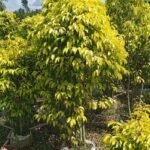
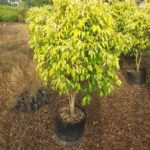
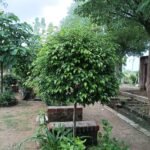
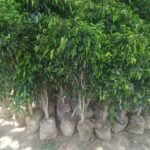
The Cheeku plant, also known as Sapodilla (Manilkara zapota), is a tropical evergreen tree that produces sweet, grainy, brown fruits. Native to southern Mexico, the Caribbean, and Central America, the fruit is round or oval-shaped, with a soft, sweet, and fibrous texture when ripe. Cheeku is known for its delicious taste and is enjoyed fresh or used in various desserts and beverages.
The Cheeku plant (Manilkara zapota), commonly known as Sapodilla, is a tropical evergreen tree belonging to the Sapotaceae family. It is native to southern Mexico, the Caribbean, and Central America but is now cultivated in tropical regions across the world, including India, the Philippines, and parts of Africa. The tree typically grows between 30 to 50 feet tall (9 to 15 meters), with a dense canopy of shiny, dark green leaves. The tree is known for its resilience to drought and can thrive in a variety of soils, though it prefers well-drained, loamy soils.
The fruit of the Cheeku tree, also called sapodilla, is round or oval-shaped, with a brown, rough skin when ripe. The interior contains soft, amber-colored flesh that is sweet, grainy, and sometimes fibrous. The flavor of Cheeku is often described as a combination of brown sugar, pear, and banana. It contains a few small, inedible seeds and is commonly eaten fresh or used to prepare juices, smoothies, and desserts like ice cream, jams, or fruit salads.
Cheeku trees bear fruit after around 5 to 7 years of planting, and the fruits ripen in the late summer or early autumn. The tree blooms small, yellowish flowers that eventually develop into the characteristic fruits. These trees require a warm, tropical climate with regular rainfall but can tolerate periods of drought once established.
In addition to its fruit, the Cheeku tree is valued for its wood, which is durable and used in furniture-making and construction in some regions. The tree also has medicinal uses in some cultures, where parts of the plant are believed to have astringent, anti-inflammatory, and anti-parasitic properties.
Cheeku is not only popular for its unique and sweet fruit but also for its economic value in regions where it is cultivated. It is a highly versatile fruit, consumed in various ways, and is also an important crop for small-scale farmers. The Cheeku tree’s long lifespan and resistance to pests make it a hardy and valuable addition to tropical orchards.
Related products
-
Lucky Jade Plant
Original price was: ₹499.00.₹299.00Current price is: ₹299.00.Add to cartJade Plants
Jade plants thrive in bright, indirect sunlight but can tolerate direct sunlight as well. They need to be Water just once a week, allowing the soil to dry out between waterings. They need to be watered more frequently if exposed to brighter light. These plants are adaptable to average household humidity levels.
-
Kathal plant
Original price was: ₹499.00.₹299.00Current price is: ₹299.00.Add to cartThe Kathal plant, known as Jackfruit (Artocarpus heterophyllus), is a large tropical tree that produces the world’s largest fruit. The tree is native to southwestern India and bears large, green, spiky fruits that turn yellow when ripe. Jackfruit is widely known for its unique, sweet flavor and fibrous texture, and it’s often used in various cuisines around the world.
-
Oyster Plant
Original price was: ₹1,399.00.₹199.00Current price is: ₹199.00.Add to cartOyster Plants
Oyster plants prefer bright, indirect light but can tolerate some direct sunlight. The Oyster Plant can adapt to lower light conditions but may lose some of its vibrant coloration. Water every 1-2 weeks, allowing the soil to dry out between waterings. Increase frequency with more light. The Oyster Plant can tolerate lower humidity but looks its best in slightly humid environments.
-
Golden Money Plant
Read moreMoney Plants
Money plants prefers bright, indirect sunlight but can tolerate low light conditions. Water these plants every 1-2 weeks, allowing the soil to dry out between waterings. Adjust frequency based on light exposure. Thrives in high humidity but can adapt to average household humidity levels.
Product Showcase



Reviews
There are no reviews yet.